10 Future Technologies That Will Change the Way Humans Live
Technology has always played a crucial role in shaping human civilization. From the invention of the wheel to the rise of the internet, every major technological breakthrough has fundamentally transformed how we live, work, and interact with the world. Today, we are standing at the edge of another massive transformation. Rapid advancements in artificial intelligence, biotechnology, and digital systems are paving the way for a future that once existed only in science fiction.
This article explores 10 future technologies that will change the way humans live, examining how they work, why they matter, and how they will impact our daily lives in the coming decades.
- Artificial Intelligence (AI) and Machine Learning
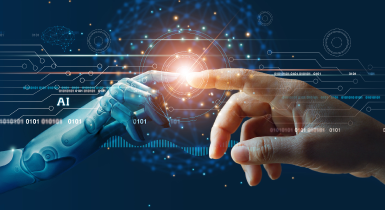
Artificial Intelligence (AI) is no longer a futuristic concept—it is already embedded in our daily lives. From recommendation algorithms on streaming platforms to virtual assistants like Siri and ChatGPT, AI is everywhere. However, future AI will be far more advanced and transformative.
How AI Will Change Human Life
In the future, AI systems will become more autonomous, intelligent, and adaptive. They will not only perform repetitive tasks but also make complex decisions, analyze emotions, and collaborate with humans.
Key impacts include:
- Healthcare: AI will diagnose diseases earlier and more accurately than humans by analyzing medical images, genetic data, and patient histories.
- Education: Personalized learning systems will adapt lessons to each student’s abilities and learning style.
- Workforce: Many routine jobs will be automated, allowing humans to focus on creative, strategic, and emotional tasks.
While AI raises ethical concerns such as job displacement and privacy, its potential to improve efficiency and quality of life is enormous.
- Quantum Computing
Quantum computing represents a radical leap beyond traditional computing. Unlike classical computers that use bits (0s and 1s), quantum computers use qubits, which can exist in multiple states simultaneously.
Why Quantum Computing Matters
Quantum computers can process vast amounts of data at unprecedented speeds. Problems that would take classical computers thousands of years to solve could be completed in minutes.
Future applications include:
- Drug discovery: Simulating complex molecular interactions to create new medicines faster.
- Climate modeling: Accurately predicting climate change and environmental patterns.
- Cybersecurity: Breaking existing encryption systems—and creating new, ultra-secure ones.
Quantum computing will reshape science, finance, and national security, making it one of the most powerful technologies of the future.
- Biotechnology and Genetic Engineering
Biotechnology is entering a new era with breakthroughs like CRISPR gene editing, synthetic biology, and personalized medicine.
Transforming Health and Human Biology
In the future, genetic engineering may allow humans to:
- Cure genetic diseases at the DNA level
- Extend human lifespan
- Enhance physical and cognitive abilities
Doctors may tailor treatments based on an individual’s genetic profile, making healthcare more precise and effective. However, ethical questions about “designer babies” and genetic inequality will require careful regulation.
- Renewable Energy and Advanced Energy Storage
As climate change becomes one of humanity’s greatest challenges, renewable energy technologies are advancing rapidly.
The Future of Clean Energy
Future energy systems will rely heavily on:
- Solar and wind power
- Advanced batteries and energy storage
- Nuclear fusion (potentially)
These technologies will reduce dependence on fossil fuels, lower carbon emissions, and provide clean, affordable energy to billions of people. Energy independence will also reshape geopolitics and global economics.
- The Internet of Things (IoT) and Smart Cities
The Internet of Things (IoT) refers to a network of interconnected devices that communicate with each other through the internet.
Smart Living in a Connected World
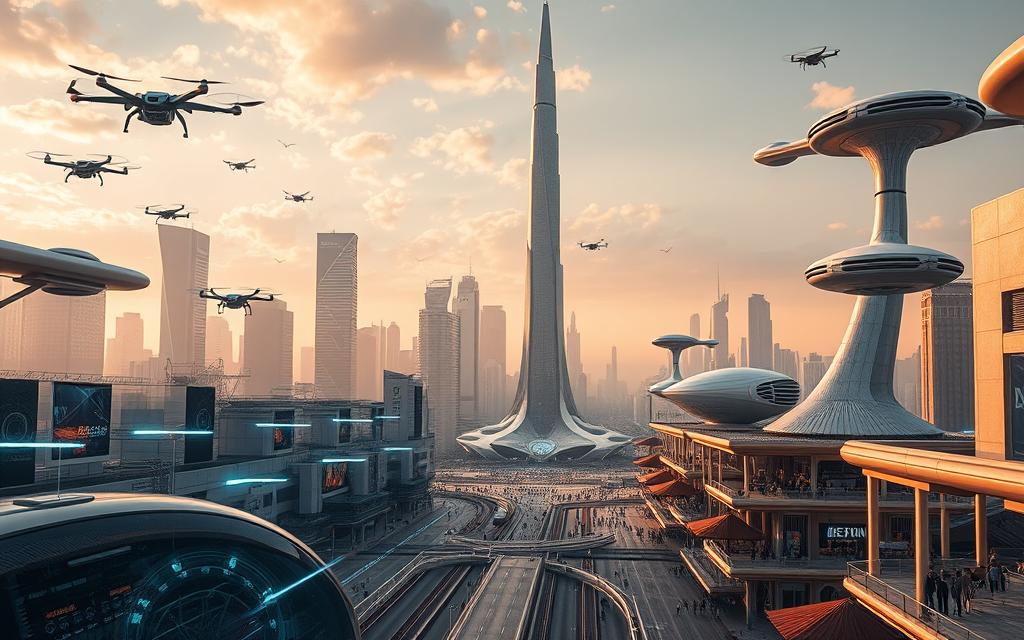
In the future, IoT will power smart cities, where:
- Traffic systems reduce congestion automatically
- Smart homes optimize energy use
- Waste management becomes more efficient
Everyday objects—from refrigerators to streetlights—will collect and analyze data to improve comfort, efficiency, and sustainability.
- Virtual Reality (VR) and Augmented Reality (AR)
Virtual Reality (VR) and Augmented Reality (AR) are transforming how humans experience digital content.
Blurring the Line Between Physical and Digital Worlds
Future applications include:
- Education: Students exploring historical events or complex scientific concepts in immersive environments.
- Healthcare: Surgeons practicing operations in virtual simulations.
- Work and social life: Virtual offices and digital social spaces replacing physical limitations.
As hardware becomes lighter and more affordable, immersive technologies will become a normal part of daily life.
- Autonomous Vehicles and Smart Transportation
Self-driving cars are one of the most visible examples of future technology in development today.
How Autonomous Transportation Will Change Society
Autonomous vehicles will:
- Reduce traffic accidents caused by human error
- Improve mobility for elderly and disabled people
- Transform logistics and delivery systems
In addition to cars, autonomous drones and ships will reshape transportation, commerce, and urban planning.
- Robotics and Human Augmentation
Robotics is advancing beyond factory automation into healthcare, household tasks, and human enhancement.
Humans and Robots Working Together
Future robots will:
- Assist elderly people with daily activities
- Perform dangerous jobs like disaster response
- Work collaboratively alongside humans
Human augmentation technologies—such as robotic prosthetics and brain-computer interfaces—will blur the boundary between humans and machines, enhancing physical and cognitive capabilities.
- Blockchain and Decentralized Systems
Blockchain technology enables secure, transparent, and decentralized data storage and transactions.
Beyond Cryptocurrency
While best known for cryptocurrencies like Bitcoin, blockchain’s future applications include:
- Secure digital identity systems
- Transparent supply chains
- Decentralized finance (DeFi)
By reducing reliance on centralized authorities, blockchain could increase trust, security, and fairness in digital systems.
- Space Technology and Human Expansion Beyond Earth
Space technology is entering a new era driven by private companies and international collaboration.
Humanity as a Multi-Planetary Species
Future space technologies may enable:
- Colonization of the Moon and Mars
- Space-based solar power
- Mining of asteroids for rare resources
Space exploration will not only expand human presence beyond Earth but also drive innovation in materials science, energy, and communication.
Challenges and Ethical Considerations
While future technologies offer immense benefits, they also present significant challenges:
- Data privacy and surveillance
- Job displacement due to automation
- Ethical dilemmas in genetic engineering
- Unequal access to advanced technologies
Governments, businesses, and societies must work together to ensure these technologies are developed responsibly and inclusively.
Conclusion
The future of technology promises profound changes in the way humans live, work, and interact. From artificial intelligence and quantum computing to biotechnology and space exploration, these innovations will redefine what it means to be human.
While the pace of change may feel overwhelming, technology itself is neither good nor bad—it is a tool. How humanity chooses to use these tools will determine whether the future becomes more equitable, sustainable, and meaningful.