Future Technology: Advanced Innovations We Will Use in the Next 10 Years
Technology is advancing faster than at any other time in human history. Innovations that once seemed futuristic—such as artificial intelligence, smart machines, and virtual worlds—are rapidly becoming part of everyday life. Looking ahead to the next decade, technological progress will not only improve existing systems but also fundamentally change how humans live, work, learn, and interact.
This article explores future technology and advanced innovations we are likely to use in the next 10 years, focusing on practical applications, societal impact, and how these technologies will shape daily life across the globe.
The Acceleration of Technological Change
Over the past few decades, the pace of technological development has increased exponentially. Advancements in computing power, data availability, and global connectivity have created an environment where innovation builds upon itself faster than ever before.
In the next ten years, technology will become:
- More intelligent
- More autonomous
- More personalized
- More deeply integrated into human life
Rather than being optional tools, many future technologies will become essential infrastructure for modern society.
- Artificial Intelligence Everywhere
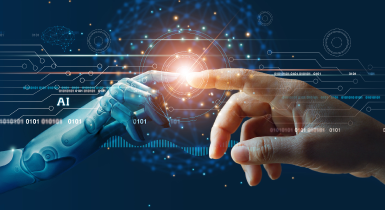
Artificial Intelligence (AI) will be the most influential technology of the next decade. While AI already exists today, its future form will be far more advanced, accessible, and deeply embedded into daily activities.
How AI Will Evolve in 10 Years
Future AI systems will:
- Understand context and human emotions better
- Learn continuously without constant human input
- Collaborate with humans rather than simply follow commands
AI will shift from being a support tool to becoming a co-worker, advisor, and decision-maker.
Everyday Applications of AI
In the next ten years, AI will be commonly used in:
- Healthcare: AI will analyze medical data, predict illnesses, and assist doctors with personalized treatments.
- Personal life: Smart assistants will manage schedules, finances, and health routines.
- Business: AI-driven analytics will guide strategic decisions and automate complex workflows.
- Education: Personalized AI tutors will adapt learning content to each student’s abilities.
AI will not replace humans entirely, but it will dramatically change how humans work and think.
- Smart Homes and the Internet of Things (IoT)
The Internet of Things (IoT) refers to networks of connected devices that communicate with each other through the internet. In ten years, smart homes will be the standard rather than the exception.
The Future Smart Home
Future smart homes will:
- Automatically adjust lighting, temperature, and energy usage
- Monitor health conditions through wearable and embedded sensors
- Improve security through intelligent surveillance systems
Everyday objects—such as refrigerators, mirrors, and beds—will collect data and adapt to user behavior to improve comfort and efficiency.
Smart Cities and Urban Living
Beyond homes, IoT will enable smart cities where:
- Traffic systems reduce congestion automatically
- Public transportation is optimized in real time
- Energy and water usage are carefully managed
These innovations will make cities cleaner, safer, and more sustainable.
- Advanced Healthcare Technology and Digital Medicine
Healthcare will undergo one of the most significant transformations in the next decade. Technology will shift medical systems from reactive treatment to predictive and preventive care.
Personalized and Predictive Healthcare
Future healthcare systems will rely on:
- Wearable health devices
- AI-powered diagnostics
- Genetic data analysis
Doctors will be able to detect diseases before symptoms appear, increasing survival rates and reducing healthcare costs.
Telemedicine and Remote Care
In ten years:
- Remote medical consultations will be routine
- AI nurses and chatbots will provide first-level care
- Hospitals will use robotics for surgery and patient monitoring
Healthcare will become more accessible, especially for people in remote or underserved areas.
- Biotechnology and Genetic Innovation
Biotechnology will redefine what it means to be human. Advances in gene editing, regenerative medicine, and synthetic biology will transform health, agriculture, and longevity.
Gene Editing and Disease Prevention
Technologies like CRISPR will allow scientists to:
- Correct genetic disorders
- Prevent inherited diseases
- Develop personalized therapies
In the next ten years, gene-based treatments may become widely available, significantly improving quality of life.
Human Longevity and Regeneration
Biotechnology will also focus on:
- Slowing the aging process
- Regenerating damaged tissues and organs
- Enhancing physical recovery
While ethical debates will continue, the medical benefits will be undeniable.
- Virtual Reality (VR) and Augmented Reality (AR)
VR and AR technologies will transform how humans experience digital information by blending physical and virtual environments.
Daily Use of Immersive Technology
In ten years, VR and AR will be used for:
- Education: Immersive learning environments
- Work: Virtual offices and remote collaboration
- Entertainment: Fully interactive digital experiences
- Training: Realistic simulations for complex tasks
As devices become lighter and more affordable, immersive technology will become a normal part of everyday life.
- Autonomous Vehicles and Smart Transportation
Transportation systems will be largely automated within the next decade. Autonomous vehicles will improve safety, efficiency, and accessibility.
The Future of Mobility
Future transportation will include:
- Self-driving cars and buses
- Autonomous delivery drones
- Smart traffic management systems
Human drivers will gradually become optional, especially in urban environments.
Impact on Society
Autonomous transportation will:
- Reduce traffic accidents caused by human error
- Improve mobility for elderly and disabled individuals
- Transform logistics and urban planning
Cities will be redesigned around efficiency rather than private car ownership.
- Renewable Energy and Sustainable Technology
Energy technology will play a critical role in shaping the next decade. As climate concerns grow, sustainable energy solutions will become a global priority.
Clean Energy Innovations
Future energy systems will rely on:
- Advanced solar and wind technologies
- High-capacity energy storage
- Smart power grids
- Early-stage nuclear fusion research
These technologies will reduce carbon emissions and create more resilient energy systems.
Energy Independence and Global Impact
Renewable energy will:
- Reduce dependence on fossil fuels
- Lower energy costs over time
- Reshape global economic and political relationships
Sustainability will move from an option to a necessity.
- Quantum Computing and Next-Generation Computing
Quantum computing represents a breakthrough that could redefine computing power entirely.
Why Quantum Computing Matters
Quantum computers will:
- Solve complex scientific problems
- Accelerate AI development
- Break and redefine cybersecurity systems
Although still in development, quantum computing is expected to become more practical within the next ten years.
Real-World Applications
Quantum computing will impact:
- Drug discovery
- Climate modeling
- Financial optimization
- Advanced materials science
This technology will unlock possibilities beyond the limits of classical computers.
- Robotics and Human Augmentation
Robotics will expand beyond factories into homes, hospitals, and public spaces.
Robots in Daily Life
In ten years, robots will:
- Assist elderly individuals
- Perform household tasks
- Support healthcare professionals
- Operate in dangerous environments
Robots will increasingly work alongside humans rather than replace them.
Human Enhancement Technologies
Human augmentation—such as smart prosthetics and brain-computer interfaces—will enhance physical and cognitive abilities, blurring the line between humans and machines.
- Blockchain, Digital Identity, and Web3
Blockchain technology will redefine trust, ownership, and digital identity.
The Future of Decentralized Systems
In the next decade, blockchain will be used for:
- Secure digital identities
- Transparent financial systems
- Decentralized applications
- Smart contracts
These systems will reduce reliance on centralized institutions and increase transparency.
How These Technologies Will Shape Daily Life
What makes future technology truly transformative is integration. AI will power smart homes, blockchain will secure digital identities, renewable energy will fuel autonomous systems, and biotechnology will improve human health.
In ten years:
- Homes will think and adapt
- Healthcare will be predictive
- Work will be more flexible and digital
- Cities will be smarter and greener
Technology will fade into the background, becoming an invisible but essential part of life.
Challenges and Ethical Considerations
Despite its benefits, future technology presents challenges:
- Data privacy and surveillance
- Job displacement due to automation
- Ethical concerns in genetic engineering
- Digital inequality
Responsible innovation, strong regulations, and global cooperation will be essential to ensure technology benefits everyone.
Conclusion
The next ten years will bring technological changes more profound than any previous decade. Advanced innovations in artificial intelligence, healthcare, energy, transportation, and digital systems will redefine how humans live and interact with the world.
Technology itself is not the future—how we choose to use it is. If guided responsibly, these innovations can create a world that is healthier, more sustainable, and more connected than ever before.