7 Future Technologies That Once Seemed Impossible—but Are Now Real
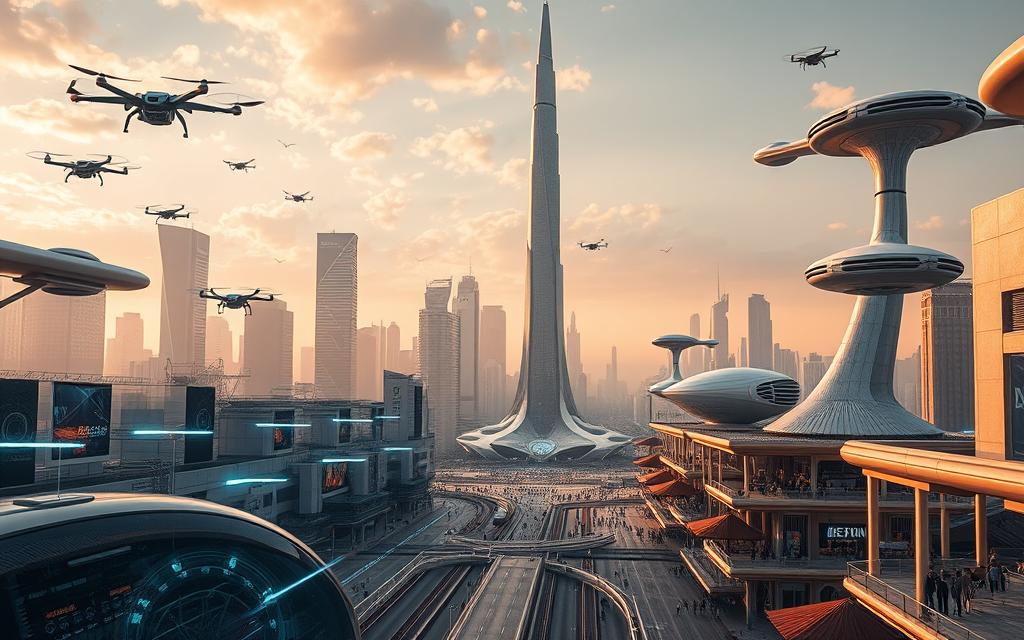
For centuries, humans have imagined a future filled with incredible machines, intelligent systems, and scientific breakthroughs that defy logic. Many of these ideas once existed only in science fiction—flying cars, thinking machines, invisible technology, and instant global communication. Yet today, we are witnessing the early stages of technologies that once seemed completely impossible.
This article explores seven future technologies that looked unrealistic or impossible in the past, but are now becoming real, changing how humans live, work, and understand reality itself.
The Thin Line Between Science Fiction and Reality
History shows us that technological progress often starts as imagination. Concepts that were once mocked or dismissed eventually become everyday tools. The internet, smartphones, and artificial satellites were once considered unrealistic dreams.
Today, advances in computing power, data science, materials engineering, and biotechnology are pushing humanity into a new era—one where the impossible is rapidly becoming normal.
- Artificial Intelligence That Thinks and Learns Like Humans
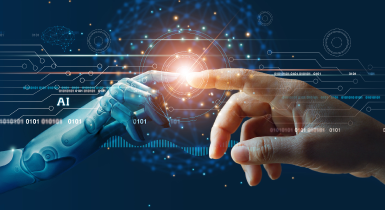
For a long time, the idea of machines that could think like humans belonged purely to science fiction. Intelligent robots and self-aware computers were fictional characters, not real technology.
Today, Artificial Intelligence (AI) has proven that machines can learn, reason, and make decisions—sometimes better than humans.
Why It Once Seemed Impossible
Human intelligence is complex. It involves emotions, intuition, creativity, and consciousness. For decades, scientists believed that replicating this in a machine was impossible.
Early computers could only follow simple instructions and lacked any ability to learn or adapt.
Why It Is Now Real
Thanks to machine learning, deep learning, and neural networks, AI systems can now:
- Recognize images and voices
- Understand natural language
- Generate text, music, and art
- Make predictions based on massive datasets
AI is already used in healthcare, finance, transportation, and education. In the future, AI will act as assistants, advisors, and collaborators in nearly every profession.
What once seemed like thinking machines from movies is now part of everyday life.
- Quantum Computing: Breaking the Limits of Reality
Quantum computing is one of the most mind-bending technologies ever created. It challenges our basic understanding of physics and computation.
Why It Once Seemed Impossible
Traditional computers operate using binary logic—zeros and ones. For decades, scientists believed this was the ultimate limit of computing.
The idea that a computer could exist in multiple states at the same time sounded unrealistic and violated common sense.
Why It Is Now Real
Quantum computers use qubits, which rely on quantum mechanics principles such as superposition and entanglement. This allows them to perform calculations that classical computers cannot.
Quantum computing can:
- Solve complex scientific problems
- Simulate molecules for drug discovery
- Break traditional encryption methods
- Optimize systems beyond classical limits
Although still in early development, quantum computing is real and advancing rapidly, turning an impossible concept into a revolutionary reality.
- Editing Human DNA and Eliminating Genetic Diseases
The ability to edit human DNA was once considered dangerous, unethical, and impossible. Changing the blueprint of life sounded like something only fictional scientists would attempt.
Why It Once Seemed Impossible
DNA is incredibly complex, and altering it without causing harm seemed unrealistic. Scientists feared unintended consequences and lacked precise tools to make changes safely.
Why It Is Now Real
With technologies like CRISPR gene editing, scientists can now modify DNA with remarkable accuracy.
This enables:
- Correction of genetic disorders
- Prevention of inherited diseases
- Personalized medical treatments
- Advances in regenerative medicine
While ethical debates continue, gene editing is already being tested in real-world medical applications, proving that editing life itself is no longer just fiction.
- Virtual Reality Worlds That Feel Real
For decades, virtual reality was portrayed as a futuristic fantasy—people living inside digital worlds indistinguishable from reality.
Why It Once Seemed Impossible
Early computer graphics were simple and unrealistic. Creating immersive digital environments that could trick human senses appeared far beyond technological capability.
Why It Is Now Real
Modern Virtual Reality (VR) and Augmented Reality (AR) technologies have changed everything.
Today, VR can:
- Create immersive 3D environments
- Simulate real-world experiences
- Train doctors, pilots, and engineers
- Enable virtual meetings and education
As hardware improves and becomes more affordable, digital worlds are becoming more realistic and integrated into daily life.
The boundary between physical and digital reality is rapidly fading.
- Self-Driving Vehicles That Make Decisions on Their Own
The idea of cars driving themselves once sounded absurd. Driving was considered a uniquely human skill that required intuition, judgment, and experience.
Why It Once Seemed Impossible
Roads are unpredictable. Human behavior, weather conditions, and unexpected obstacles make driving extremely complex. Teaching a machine to handle all these variables seemed unrealistic.
Why It Is Now Real
Autonomous vehicles use:
- Artificial intelligence
- Advanced sensors and cameras
- Real-time data processing
- Machine learning algorithms
Self-driving cars are already being tested and used in limited environments. In the future, they will:
- Reduce traffic accidents
- Improve transportation efficiency
- Increase mobility for elderly and disabled individuals
What once seemed impossible is now actively reshaping the future of transportation.
- Brain–Computer Interfaces: Connecting Minds to Machines
The idea of controlling machines with the human mind was once pure science fiction. Direct communication between the brain and computers seemed beyond reach.
Why It Once Seemed Impossible
The human brain is extraordinarily complex. Understanding neural signals and translating them into machine commands appeared far too difficult.
Why It Is Now Real
Brain–Computer Interfaces (BCIs) allow direct communication between the brain and external devices.
Current applications include:
- Helping paralyzed patients communicate
- Controlling prosthetic limbs
- Restoring movement and speech
- Research into cognitive enhancement
In the future, BCIs may allow humans to interact with technology using thoughts alone, fundamentally changing communication and human capability.
- Clean Energy Technologies That Could Power the World
For a long time, it was believed that fossil fuels were the only realistic way to power modern civilization. Clean and unlimited energy sounded idealistic and impractical.
Why It Once Seemed Impossible
Renewable energy sources were inefficient, expensive, and unreliable. The idea of replacing fossil fuels entirely seemed unrealistic.
Why It Is Now Real
Advances in renewable energy have changed the equation:
- Solar and wind power are now cost-competitive
- Energy storage technologies are improving rapidly
- Smart grids optimize energy distribution
Research into nuclear fusion—the same process that powers the sun—offers the possibility of nearly unlimited clean energy in the future.
Clean energy is no longer a dream; it is becoming the foundation of future civilization.
The Common Pattern Behind “Impossible” Technologies
All these technologies share a common pattern:
- They were once dismissed as unrealistic
- Early attempts failed or seemed impractical
- Breakthroughs in science and engineering changed everything
- Gradual adoption made them part of normal life
This pattern suggests that many technologies we consider impossible today may become reality sooner than expected.
How These Technologies Will Change Human Life
Together, these seven technologies will:
- Extend human lifespan
- Improve quality of life
- Redefine work and education
- Transform transportation and communication
- Blur the boundary between humans and machines
They will reshape society at every level—from personal habits to global systems.
Ethical and Social Challenges
Despite their benefits, these technologies raise serious concerns:
- Privacy and surveillance
- Job displacement
- Ethical use of AI and genetic engineering
- Inequality in access to advanced technology
Managing these challenges will require thoughtful regulation, global cooperation, and responsible innovation.
Conclusion
The future is filled with technologies that once seemed impossible—but are now undeniably real. Artificial intelligence, quantum computing, gene editing, virtual reality, autonomous vehicles, brain–computer interfaces, and clean energy are not distant dreams. They are active forces shaping the world right now.
History teaches us that the impossible often becomes inevitable. The real question is not whether these technologies will change the world—but how humanity will choose to use them.