5 Future Technologies Predicted to Dominate the World
Technology is evolving at an unprecedented pace. What once took decades to develop now happens in just a few years. As we move deeper into the digital age, certain technologies are not just improving our lives—they are reshaping entire industries, economies, and societies. Among countless innovations, a few stand out as truly transformative.
This article explores five future technologies predicted to dominate the world, explaining how they work, why they matter, and how they will fundamentally change the way humans live, work, and interact in the coming decades.
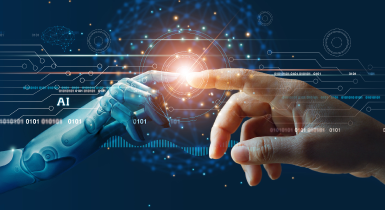
- Artificial Intelligence (AI): The Brain of the Future World
Artificial Intelligence is widely considered the most dominant technology of the future. While AI is already present in our daily lives—through search engines, recommendation systems, and virtual assistants—its future potential goes far beyond current applications.
The Evolution of Artificial Intelligence
AI systems are evolving from narrow intelligence (designed for specific tasks) toward more advanced forms of intelligence capable of reasoning, learning, and adapting across multiple domains. Future AI will be able to understand context, emotions, and complex human behavior.
Machine learning, deep learning, and neural networks will continue to improve, enabling AI to make better decisions with minimal human intervention.
How AI Will Dominate the World
AI is expected to dominate nearly every sector:
- Healthcare: AI-powered diagnostics will detect diseases earlier and more accurately than human doctors. Personalized treatment plans based on genetic and lifestyle data will become standard.
- Business and Industry: AI will optimize supply chains, automate customer service, and improve decision-making using predictive analytics.
- Education: Intelligent tutoring systems will personalize education for each student, adapting content to individual learning speeds and styles.
- Government and Security: AI will be used for smart governance, fraud detection, and national security operations.
Ethical and Social Impact
Despite its benefits, AI raises concerns about job displacement, bias, privacy, and control. As AI becomes more powerful, governments and organizations will need to establish ethical frameworks to ensure it serves humanity rather than replaces or exploits it.
There is little doubt that AI will be the central nervous system of the future world, influencing almost every aspect of human life.
- Biotechnology and Genetic Engineering: Redefining Human Life
Biotechnology is revolutionizing healthcare, agriculture, and even human evolution. With breakthroughs like CRISPR gene editing, synthetic biology, and regenerative medicine, humanity is gaining the ability to modify life at its most fundamental level.
The Power of Genetic Engineering
Genetic engineering allows scientists to alter DNA to prevent diseases, enhance physical traits, or improve biological functions. In the future, this technology could eliminate hereditary diseases such as cancer, diabetes, and genetic disorders.
Personalized medicine—tailored to an individual’s genetic makeup—will replace one-size-fits-all treatments, leading to better outcomes and fewer side effects.
How Biotechnology Will Dominate the World
Biotechnology’s impact will extend far beyond medicine:
- Healthcare: Organ regeneration, gene therapy, and anti-aging treatments could dramatically extend human lifespan.
- Agriculture: Genetically modified crops will be more resistant to climate change, pests, and drought, helping to feed a growing global population.
- Environmental Protection: Engineered microorganisms could clean pollution, absorb carbon dioxide, and restore damaged ecosystems.
Ethical Challenges
The power to alter human genetics raises serious ethical questions. Issues such as “designer babies,” genetic inequality, and biosecurity risks must be addressed carefully. Still, biotechnology’s potential to improve human health and survival makes it one of the most dominant future technologies.
- Quantum Computing: The End of Traditional Computing Limits
Quantum computing is poised to revolutionize computing by solving problems that are impossible for classical computers. Unlike traditional computers that use binary bits, quantum computers use qubits, which can exist in multiple states simultaneously.
Why Quantum Computing Is Revolutionary
Quantum computers can process massive datasets at extraordinary speeds. Problems that would take classical supercomputers thousands of years to solve could be completed in minutes or seconds.
This technology will unlock new possibilities in science, engineering, and economics.
Industries That Will Be Dominated by Quantum Computing
- Cybersecurity: Quantum computing will break current encryption methods, forcing the development of quantum-resistant security systems.
- Pharmaceuticals: Simulating molecular interactions will accelerate drug discovery and medical research.
- Finance: Quantum algorithms will optimize investments, risk analysis, and fraud detection.
- Climate Science: More accurate climate models will help predict and mitigate environmental disasters.
Global Competition
Countries and tech giants are investing billions of dollars in quantum research. Those who master quantum computing first may gain significant economic and geopolitical advantages, making it a technology that could redefine global power structures.
- Renewable Energy and Advanced Energy Systems: Powering the Future
Energy is the foundation of modern civilization. As fossil fuel resources decline and climate change intensifies, renewable energy technologies are becoming essential for the future.
The Rise of Clean Energy Technologies
Future energy systems will rely on:
- Solar and wind energy
- Advanced battery storage
- Smart energy grids
- Nuclear fusion (long-term potential)
These systems will provide clean, affordable, and sustainable energy for billions of people worldwide.
How Renewable Energy Will Dominate the World
- Economic Impact: Renewable energy will create millions of new jobs and reduce dependence on fossil fuel imports.
- Environmental Benefits: Lower carbon emissions will slow climate change and reduce air pollution.
- Energy Independence: Countries will gain greater control over their energy resources, reducing geopolitical conflicts related to oil and gas.
As energy becomes cleaner and more decentralized, renewable technologies will reshape global economies and politics.
- Autonomous Systems and Robotics: A World Run by Intelligent Machines
Autonomous systems—machines capable of operating without human control—are rapidly advancing. From self-driving cars to intelligent robots, automation is transforming the physical world.
The Future of Autonomous Technology
Autonomous systems rely on AI, sensors, and real-time data to make decisions. In the future, they will become safer, more reliable, and more widespread.
Areas Where Autonomous Systems Will Dominate
- Transportation: Self-driving cars, autonomous trucks, and delivery drones will reduce accidents and improve efficiency.
- Manufacturing: Fully automated factories will operate around the clock with minimal human involvement.
- Healthcare: Robotic surgeons and care assistants will improve medical outcomes and support aging populations.
- Defense and Security: Autonomous surveillance and defense systems will change how nations protect themselves.
Human and Social Impact
While automation will increase productivity, it will also disrupt labor markets. Reskilling and education will be crucial to help workers adapt to an automated future.
The Combined Impact of These Technologies
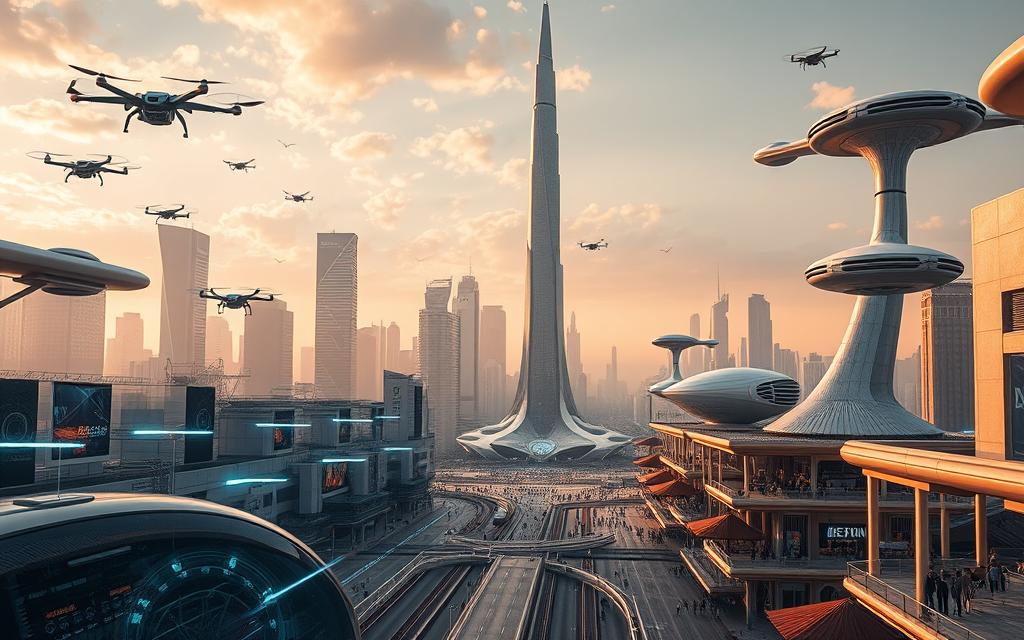
What makes these five technologies truly dominant is not just their individual power, but how they interact with each other. AI will enhance biotechnology, quantum computing will accelerate AI, renewable energy will power autonomous systems, and robotics will execute intelligent decisions in the physical world.
Together, they form the foundation of a future society driven by intelligence, efficiency, and automation.
Challenges and Risks of a Technology-Dominated World
Despite their benefits, these technologies also present risks:
- Loss of jobs due to automation
- Privacy and surveillance concerns
- Ethical dilemmas in genetic engineering
- Technological inequality between nations
Managing these risks will require global cooperation, responsible innovation, and strong regulatory frameworks.
Conclusion
The future will be shaped by technologies that are far more powerful and interconnected than anything humanity has experienced before. Artificial Intelligence, Biotechnology, Quantum Computing, Renewable Energy, and Autonomous Systems are not just trends—they are forces that will dominate the world.
How these technologies are developed and used will determine whether the future becomes more sustainable, equitable, and prosperous—or more divided and uncertain.
One thing is clear: the world of tomorrow will be built by those who understand, adapt to, and responsibly guide these technologies today.